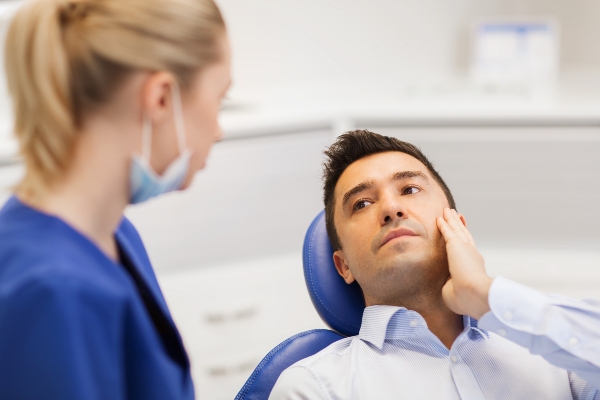
 Sometimes, you may not recognize temporomandibular joint (TMJ) disorder symptoms. Pain tends to come and go, such as headaches. Your provider can help confirm the root cause of what you are feeling. Below are the details on when to see your general dentist for symptoms of TMJ disorder.
The symptoms
Research shows that many people believe that jaw pain and jaw-popping are normal. That is why seeing a general dentist is important for the onset of these symptoms. TMJ issues must be addressed early. The following are some that need professional attention:
- An earache is a discomfort or pain in the ears without infection. It might seem like an ear infection because of the pressure buildup in the ears.
- Jaw-popping or clicking is an obvious TMJ disorder symptom. These sounds occur when the mouth opens and closes. Sometimes, these sounds are painless. The general dentist will determine if it is a symptom of jaw joint disorder.
- Persistent jaw pain occurs when opening the mouth or eating. It could be a symptom of a TMJ disorder. Throbbing, sharp, or dull pain can be mild, moderate, or severe.
- Frequent headaches may occur when there is jaw muscle tension or jaw pain. These headaches can prevent anyone from doing normal activities.
- Limited jaw movement can happen because of the stiffness in the jaw muscles. The jaw may even lock.
When to see a dentist
As mentioned earlier, some people believe that some of these symptoms are normal, including pain. Deciding to see a general dentist may take a while. One could decide to seek professional help depending on the impact the symptoms have on daily life. The decision can also depend on the duration of the symptoms. The following are circumstances when proper treatment is necessary.
The symptoms are interfering with the individual’s day. Pain can be distracting. The discomfort returns right away after taking over-the-counter pain relievers. Seeking the help of a general dentist is the right decision when the pain stops normal activities.
The symptoms do not go away with home remedies. These solutions are temporary. They also fail to target the root cause of the symptom. The worst thing that could happen is for the symptoms to worsen at home. Before this happens, visit a general dentist for proper treatment.
The symptoms last for at least seven days. Research reveals that treating TMJ disorders without professional knowledge does not work. If the symptoms, such as pain, do not improve within seven days, the general dentist must step in. When the symptoms cause severe discomfort, the patient must visit a general dentist.
A locked jaw is a frightening symptom. It prevents the person from opening or closing the mouth. The jaw joints pop without any warning. Refrain from attempting to open or close the patient’s mouth. This forceful action might cause severe damage. Bring the patient to the ER or a general dentist who provides emergency dental care.
See the dentist at the onset of your TMJ issues
Home remedies are easy and accessible. Research shows that many people try to resolve health issues at home first. But TMJ disorder symptoms can persist or worsen. It would be a good idea to see your provider as soon as possible. Working with your general dentist can help you regain a painless smile.
Request an appointment or call Sundance Dental Care at 623-687-2993 for an appointment in our Phoenix office.
Related Posts
A TMJ disorder affects the jaw joints and its surrounding ligaments and muscles. It is comprised of many conditions that can lead to many problems. You can experience headaches and jaw pain. You may even find it difficult to open and close your mouth. Here are the causes and treatments for TMJ issues.Many factors can…
You may already have temporomandibular joint (TMJ) disorder or TMD and not know it. Those mysterious headaches have a root cause. The general dentist will assess you. The results may indicate your jaw joint as the source of your pain. Understanding why your TMJ issues may be causing your headaches can provide you with the…
Your general dentist can help your TMJ disorder by providing a custom-fitted mouthguard. This oral device is considered a non-invasive treatment option for jaw joint disorders. The consultation will provide the information you need. Meanwhile, here are the details to consider about TMJ mouthguards.TMJ mouthguards are considered effective non-intrusive treatments for people with jaw joint…