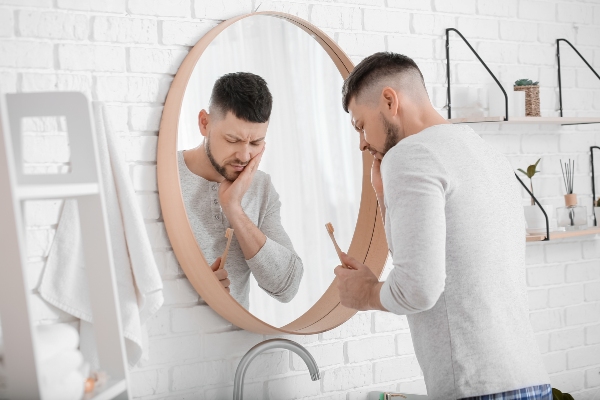
 People who have pain in their temporomandibular joint (TMJ) may find that simple actions like chewing, yawning, or talking are painful. The jaw works quietly, but when something goes wrong, it draws attention. A full dental evaluation by a general dentist is still necessary, but home care strategies can often help between visits.
What TMJ pain feels like
The TMJ connects the jaw to the skull and enables basic functions like opening and closing the mouth and moving the jaw from side to side. When it gets irritated, patients might have pain near their ears, tension in their faces, or headaches or hear clicking sounds when they move their jaws. TMJ discomfort has different causes, including stress, teeth grinding, jaw injuries, and arthritis. In many cases, the source is not immediately apparent.
Rest and recovery
One of the first steps to easing TMJ pain is reducing strain on the joints. Soft foods can take the pressure off the jaw muscles. Not yawning too wide, chewing gum, or biting into hard foods gives the inflamed tissue time to calm down.
Gentle jaw stretches for short periods can help keep the jaw moving during flare-ups. Patients should consider sleeping on their backs with supportive pillows instead of sleeping on their stomachs or resting their hands under their chins to put less pressure on the joint.
Dentists often recommend custom nightguards to keep patients from clenching or grinding their teeth while sleeping. These guards protect the enamel and the joint by absorbing pressure.
Taking care of pain at home
When symptoms worsen, targeted relief methods can help reduce inflammation and alleviate stress. Patients may feel better by alternating between cold and warm compresses for 10 to 15 minutes at a time. Cold packs can bring down swelling, and heat helps relax tight muscles.
Ibuprofen and other anti-inflammatory medications may also assist with short-term flare-ups. In severe cases, dentists may suggest topical muscle relaxants or self-massage techniques to help relax the jaw muscles. None of these methods cures TMJ disorders, but they can make the patient comfortable enough to return to their normal activities while considering other options.
Habits to watch
The jaw often bears the first brunt of stress. Many people do not realize that they clench their teeth all day. To minimize unnecessary strain, it is advisable to relax the shoulders, maintain good posture, and keep the teeth slightly apart while sleeping. A sticky note on one's computer screen about timed breathing exercises is an example of how regular reminders can help people turn small changes into long-lasting habits.
When to visit the dentist
Home care can be helpful, but if symptoms persist or worsen, patients should consult a doctor. Persistent pain, trouble with jaw movement, recurrent jaw locking, or bite changes are all signs of TMJ dysfunction. A general dentist who knows about TMJ disorders can assess the joints' function, look for signs of wear, and request imaging if necessary.
In summary
TMJ pain is complicated but it can be handled. Many people experience significant improvements when they adopt a thoughtful approach that incorporates rest, targeted relief, and consistent habits. Professional help from a general dentist may still be necessary, but daily support is crucial for getting better.
Request an appointment or call Sundance Dental Care at 623-687-2993 for an appointment in our Phoenix office.
Related Posts
A TMJ disorder affects the jaw joints and its surrounding ligaments and muscles. It is comprised of many conditions that can lead to many problems. You can experience headaches and jaw pain. You may even find it difficult to open and close your mouth. Here are the causes and treatments for TMJ issues.Many factors can…
You may already have temporomandibular joint (TMJ) disorder or TMD and not know it. Those mysterious headaches have a root cause. The general dentist will assess you. The results may indicate your jaw joint as the source of your pain. Understanding why your TMJ issues may be causing your headaches can provide you with the…
Your general dentist can help your TMJ disorder by providing a custom-fitted mouthguard. This oral device is considered a non-invasive treatment option for jaw joint disorders. The consultation will provide the information you need. Meanwhile, here are the details to consider about TMJ mouthguards.TMJ mouthguards are considered effective non-intrusive treatments for people with jaw joint…