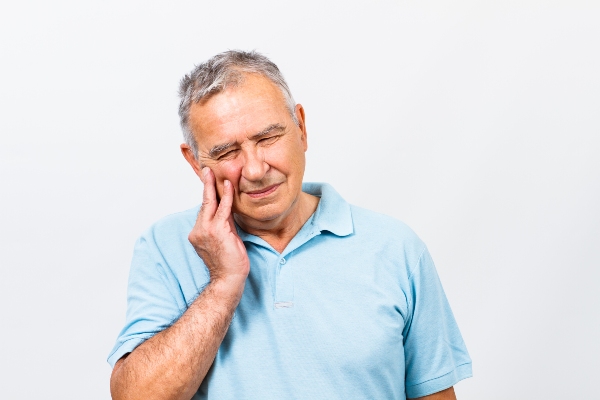
 Dealing with TMJ pain? Read on to learn more. The temporomandibular joint (TMJ) connects the jawbone to the skull and works like a sliding hinge. It is a small but important part of the body that lets you chew, talk, and yawn. Most people do not think about their jaws until they hurt or do not work right. Most of the time, the cause of TMJ pain is traceable back to dental alignment.
Understanding TMJ discomfort and dysfunction
Muscles, ligaments, cartilage, and bone all help support the TMJ. Its design lets the jaw move in many different ways, including up, down, forward, and side to side. This flexibility is very important, but it also makes the joint more likely to be out of balance.
The joint can get stressed out when a situation throws off that balance, like misaligned teeth, uneven bite forces, or abnormal muscle patterns. These issues cause symptoms like jaw clicking, pain in the face, earaches, headaches, and trouble moving over time.
How bite alignment contributes
Occlusion, or bite, is how the upper and lower teeth touch each other. Ideally, the bite would spread out the forces evenly while it works. However, when teeth do not line up right because of crowding, missing teeth, or an uneven bite plane, the TMJ has to compensate.
The extra work stresses the joint and the muscles around it. An incorrect bite can also cause bruxism, also known as teeth grinding, which makes the tension worse. Small changes in how teeth touch each other can add to stress over time, changing the joint's natural movement pattern.
Signs that malocclusion is hurting the TMJ
People with bite problems do not always think they have TMJ problems. However, some signs point to a deeper structural connection. Some of these are:
- Chronic stiffness in the jaw, especially in the morning
- Pain that spreads to the ear without an infection
- Recurrent clicking or popping during movement
- Having trouble chewing on one side
- Tooth wear or fractures that happen without a clear reason
These signs point to the possibility that the bite is putting too much stress on one side of the jaw or causing the joints to work too hard.
Fixing alignment with orthodontics
Braces and clear aligners are examples of orthodontic treatments that help evenly distribute bite forces across the dental arch. This reduces the extra movements that can put stress on the TMJ. Sometimes, a small change, like fixing a crossbite or changing an overjet, can make a big difference in jaw comfort. A full evaluation by a dentist, which may include bite analysis, dental impressions, and even radiographic imaging to examine joint structure and function, is often the first step in treatment planning.
Bite guards
A nightguard or occlusal splint may help patients who grind or clench their teeth at night. By moving the jaw slightly and keeping teeth from touching each other directly, these custom-made devices take pressure off the TMJ.
These devices do not cure the problem, but they do help stabilize symptoms and give inflamed joint tissues a chance to rest and heal. Sometimes, they are used along with braces to protect the teeth and joints while the teeth are being straightened.
In conclusion
TMJ dysfunction does not happen without a cause. In many cases, how the teeth fit together is a big part of the puzzle. Even small problems with occlusion can hurt your joints without treatment. Restoring balance to the alignment often brings jaw comfort and can improve long-term oral function and quality of life.
Request an appointment or call Sundance Dental Care at 623-687-2993 for an appointment in our Phoenix office.
Related Posts
A TMJ disorder affects the jaw joints and its surrounding ligaments and muscles. It is comprised of many conditions that can lead to many problems. You can experience headaches and jaw pain. You may even find it difficult to open and close your mouth. Here are the causes and treatments for TMJ issues.Many factors can…
You may already have temporomandibular joint (TMJ) disorder or TMD and not know it. Those mysterious headaches have a root cause. The general dentist will assess you. The results may indicate your jaw joint as the source of your pain. Understanding why your TMJ issues may be causing your headaches can provide you with the…
Your general dentist can help your TMJ disorder by providing a custom-fitted mouthguard. This oral device is considered a non-invasive treatment option for jaw joint disorders. The consultation will provide the information you need. Meanwhile, here are the details to consider about TMJ mouthguards.TMJ mouthguards are considered effective non-intrusive treatments for people with jaw joint…