Ideal Candidates for All-on-4 Implants
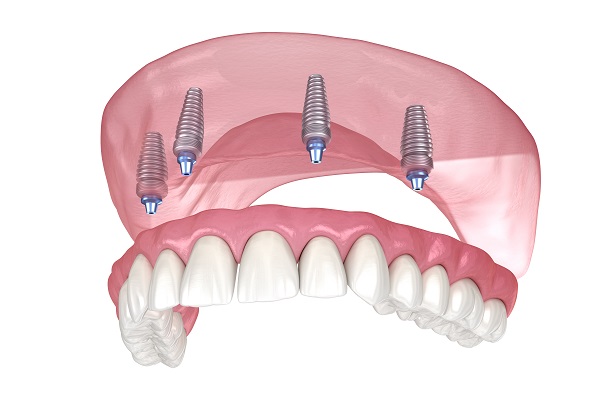
All-on-4 implants can replace a full arch of missing teeth using four strategically placed dental implants to support a fixed prosthetic. This approach often appeals to patients who want a stable, non-removable option that feels closer to natural teeth than traditional dentures. A general dentist evaluates candidacy based on oral health, bone support, bite forces, and the treatment timeline. By understanding the process, patients can make informed decisions about their dental health. This technique offers a way to regain function without the need for multiple individual implants for every missing tooth.
Signs of a strong candidate
Significant tooth loss often leads patients to consider this restorative option. All-on-4 implants help restore function and esthetics in individuals with missing most or all teeth in the upper or lower arch. It can also serve individuals with failing teeth due to extensive decay, fractures, or widespread wear. When multiple teeth have a poor outlook, a full-arch plan can restore function more effectively than small repairs. Many candidates already wear full dentures and seek improved chewing ability and greater comfort. Traditional dentures can shift or rub, particularly in the lower jaw, whereas implants can secure a prosthesis that remains in place during speech and eating.
Several traits typically indicate that a patient is ready for this procedure:
- Missing a full arch of teeth or facing several extractions.
- Possessing enough healthy bone in strategic regions of the jaw.
- Maintaining healthy gums that are free from active infection.
- Having well-managed medical conditions that support the healing process.
- Committing to a routine of professional cleanings and home care.
These factors help the dental team determine the most appropriate treatment path for the individual. Meeting these criteria supports a smoother transition to a restored smile.
Health and bone density factors
Success depends on having healthy bone in strategic regions to stabilize the implants. The angled placement helps use available bone in the front of the jaw, where density is often more favorable. A 3-D scan usually confirms the bone volume and anatomical details before the procedure begins. Active gum disease can compromise the outcome, so healthy gums are a priority for every patient. Candidates need medical conditions that are well-managed to support the healing of the bone and immune response. This includes controlled diabetes and good nutritional status to ensure the tissues recover as expected after the appointment.
Long-term maintenance and lifestyle
Smoking and nicotine exposure can reduce blood flow to oral tissues, which may increase the risk of complications. Stopping nicotine use before and after the procedure helps support successful results for the mouth. All-on-4 implants still require consistent at-home maintenance and professional checkups to remain in good condition. Routine cleanings and specific hygiene tools protect the tissues around the implants and the prosthetic itself. Patients should understand that a temporary bridge is often placed first, followed by a final prosthesis once the jaw has healed. This transition allows the bite to settle and ensures the final fit is comfortable.
Planning your path to a full smile
A thorough consultation and imaging are used to determine whether All-on-4 implants are appropriate for your specific health history. Even when a patient does not qualify initially, preparatory care may improve candidacy over time. The dental team develops a plan to support chewing comfort, gum health, and a smile that functions smoothly. For more information or to schedule an appointment, call our office.
To schedule a consultation, please request an appointment on our website at https://www.sundancedentalcare.com or call Sundance Dental Care at (623) 687-2993 to arrange an appointment at our Phoenix office.
Check out what others are saying about our dental services on Yelp: All-on-4 Dental Implants in Phoenix, AZ.
Related Posts
You may already have temporomandibular joint (TMJ) disorder or TMD and not know it. Those mysterious headaches have a root cause. The general dentist will assess you. The results may indicate your jaw joint as the source of your pain. Understanding why your TMJ issues may be causing your headaches can provide you with the…
A dental bridge can replace missing teeth, restore chewing support, and help keep the smile balanced. This restoration uses crowns and artificial teeth to fill a gap and usually attaches to nearby natural teeth or dental implants for support. While timelines can vary, partnering with our dentist can help extend your bridge's lifespan.The lifespan of…
Your general dentist can help your TMJ disorder by providing a custom-fitted mouthguard. This oral device is considered a non-invasive treatment option for jaw joint disorders. The consultation will provide the information you need. Meanwhile, here are the details to consider about TMJ mouthguards.TMJ mouthguards are considered effective non-intrusive treatments for people with jaw joint…
Temporomandibular joint (TMJ) disorders can disrupt activities that involve opening and closing the mouth, such as chewing, speaking, and sleeping, thereby turning simple daily activities into painful challenges. TMJ disorder can also lead to muscle fatigue and inflammation around the jaw.Your TMJ connects the lower part of your jaw to your skull, and it is…