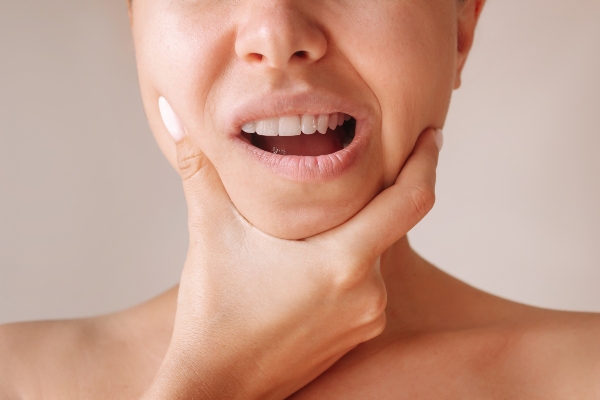
 Temporomandibular joint (TMJ) issues can be incredibly frustrating, as they can cause chronic jaw discomfort, tension headaches, and even difficulty chewing or speaking clearly. For many people, these symptoms seem to come out of nowhere. But in other cases, they are closely linked to two common habits: teeth grinding and jaw clenching.
If you regularly wake up with a sore jaw or find yourself clenching your teeth during the day, you should understand how these actions might be affecting your TMJ and what you can do to find lasting relief.
Understanding the connection between TMJ, grinding, and jaw tension
The TMJ is one of the most complex joints in the body. It enables your jaw to move up, down, and side to side, making it essential for speaking and chewing. When that joint becomes overworked or inflamed, the result tends to be pain and stiffness. Now, let us explore how grinding and tension can contribute to these problems.
Grinding places excessive stress on the jaw joint
Teeth grinding, also known as bruxism, usually happens during sleep. When a patient grinds their teeth, their jaw muscles are constantly activated, putting repeated pressure on the TMJ. Over time, this can inflame the joint and the surrounding muscles, resulting in soreness and stiffness upon waking in the morning. They may even notice a dull ache in their temples or around their ears.
Clenching builds up muscular tension
Unlike grinding, clenching often occurs during the day, especially for people who are feeling stressed. It might be subtle, but even light pressure from repetitive clenching can strain the muscles around the TMJ. The added tension can make the joint more sensitive, so everyday movements like yawning or chewing often become uncomfortable.
TMJ pain may worsen over time if untreated
When jaw tension and grinding become regular habits, the strain on the TMJ does not just disappear. In fact, without proper treatment or changes in behavior, the symptoms can intensify. The patient may notice popping sounds when opening their mouth or experience difficulty fully opening their jaw. This is the body’s way of signaling that something is not right.
Custom nightguards and stress management can help
Fortunately, there are effective ways to manage TMJ-related issues. Custom-made nightguards can protect the teeth and reduce stress on the joint while sleeping. During the day, practicing mindfulness or relaxation techniques can help reduce clenching. Physical therapy and gentle jaw exercises may also ease muscle tension and restore natural jaw function.
Keep jaw pain from taking over your day
If you are dealing with persistent jaw discomfort, it is time to take the next step by visiting a licensed general dentist. Addressing TMJ issues early, especially those caused by teeth grinding or tension, can prevent more serious problems in the future. The good news is that there are practical, proven ways to find relief and protect your oral health. Contact us today to schedule your free, no-obligation consultation.
Request an appointment or call Sundance Dental Care at 623-687-2993 for an appointment in our Phoenix office.
Related Posts
A TMJ disorder affects the jaw joints and its surrounding ligaments and muscles. It is comprised of many conditions that can lead to many problems. You can experience headaches and jaw pain. You may even find it difficult to open and close your mouth. Here are the causes and treatments for TMJ issues.Many factors can…
You may already have temporomandibular joint (TMJ) disorder or TMD and not know it. Those mysterious headaches have a root cause. The general dentist will assess you. The results may indicate your jaw joint as the source of your pain. Understanding why your TMJ issues may be causing your headaches can provide you with the…
Your general dentist can help your TMJ disorder by providing a custom-fitted mouthguard. This oral device is considered a non-invasive treatment option for jaw joint disorders. The consultation will provide the information you need. Meanwhile, here are the details to consider about TMJ mouthguards.TMJ mouthguards are considered effective non-intrusive treatments for people with jaw joint…